
Blog
The future of marketing isn’t AI. It’s invisible AI.
The article was published on 12 December 2025 on Marconomy, Germany’s leading B2B marketing portal.
by Barnabas Szantho
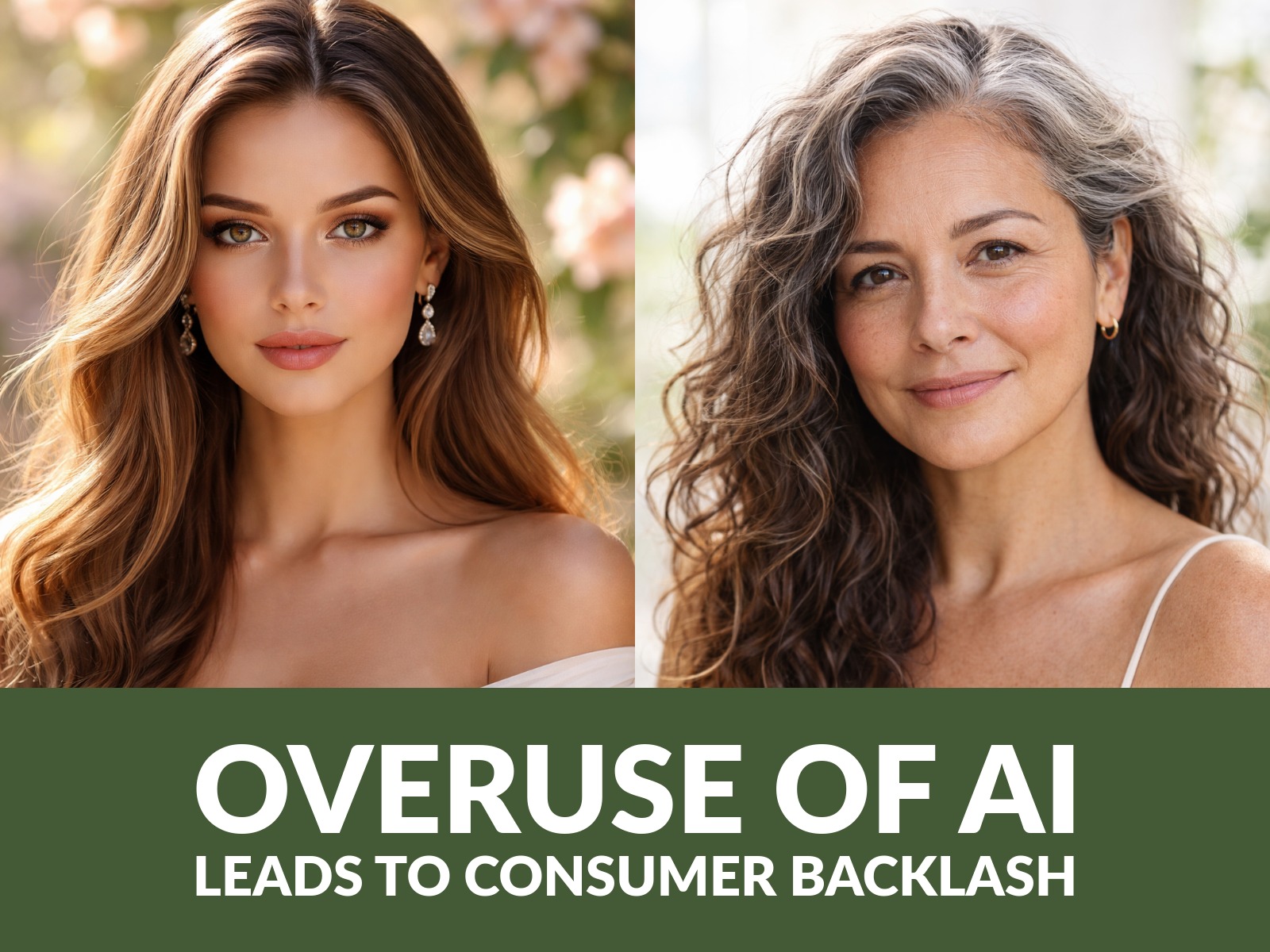
The internet is flooded with “AI slop”, the new term for mass-produced, low-quality AI content, and people are starting to push back against it. They reject not only AI slop, but also the feeling that brands are no longer making an effort to come across as truly authentic.
Research data supports this widespread sentiment. Take, for example, a 2024 survey by Hootsuite (a social media management platform) of 4,000 consumers. It found that 62 percent of consumers are less likely to engage with and trust content when they know it was created by an AI application.
A Nielsen study from January 2025 found that 55 percent of respondents feel uncomfortable on websites that rely heavily on AI-generated articles and stories. Even more alarming is the mistrust: Nearly half (48 percent) say they simply do not trust brands that advertise on such websites.
Coca-Cola Shows Us How Not to Respond
Coca-Cola has a long-standing tradition with its “Holidays Are Coming” Christmas commercials. The current commercial airs worldwide every year shortly before the holidays. It features a convoy of illuminated Coca-Cola trucks winding their way through snow-covered landscapes and cities, accompanied by the jingle “Wonderful Dream (Holidays Are Coming)” and classic Coca-Cola Santa Claus motifs on the trailers. The original commercial first aired in 1995 as a global Christmas campaign and has been shown repeatedly in many markets for about 30 years.
But the company has now transformed this classic commercial into a fully AI-generated campaign, for the second year in a row (2024 and 2025). As you can see on the company’s official YouTube channel, the public has reacted sharply. The comments reflect a very clear opinion, with many saying this is the best commercial of all time, for Pepsi.
One commenter put it this way:
“This is the most soulless shit I’ve ever seen.”
Brands Benefit from Setting Boundaries
When Aerie, a women’s clothing brand owned by American Eagle, announced that it would never use AI-generated models, the announcement became the brand’s most popular post in a long time. On Instagram, for example, it received 42,000 likes, compared to an average of 2,000 likes, making it by far the most popular post of the year.
Dove had already run a very successful campaign against the use of Photoshop back in 2004 with the Dove Real Beauty ad. It was therefore only logical to launch a similar campaign in the age of AI, thereby cleverly highlighting the impact of their commitment from 21 years ago. The “The Code” campaign features AI-generated content using prompts such as “Show me perfect skin” and then expands on these prompts with Dove (“Show me perfect skin in a Dove ad”). The campaign video was viewed 4.4 million times on Dove’s U.S. YouTube channel alone and, according to System1 (a major advertising testing platform), was the highest-rated ad in its entire category during that period.
Whether B2B or B2C, people often reject AI in the media on principle. “Why should I bother reading something that someone didn’t bother to write?” as one consumer put it very aptly in a BBC article on this topic.
Marketing has little choice if it wants to remain competitive
Despite growing resistance from the target audience, marketing professionals rely on AI in practice. They can no longer simply turn their backs on it, as it offers too many operational advantages. AI reduces costs, speeds up timelines, and gives your competitors an unfair advantage if you refuse to use it. Simply put: Brands that avoid AI pay a price that others no longer have to pay. And this cost is rising month by month. Take, for example, the new version of Google’s image-generation tool, Nano Banana Pro. It was released in November and now eliminates yet another large portion of the tedious work that previously had to be done manually in various DTP tools.
The Future of Marketing Isn’t “AI vs. No AI”
There’s a clear trend among consumers against the use of AI in the media, while in marketing there’s intense pressure to reduce costs and increase efficiency through the use of AI. The solution lies in how AI is implemented. It should be invisible: AI tools are used, but never pushed to the forefront.
As the Coca-Cola example has shown, boasting about the use of AI leads to poor results. Leave that to the YouTubers and AI model testers. On the other hand, neither Dove nor Aerie has said they won’t use AI. They’ve simply made it clear what they won’t use it for.
We’re already seeing that AI technology for content creation is becoming more advanced every day. AI-generated content will be abundant. And human-created content will become rare. So make sure your content appears as human as possible within your budgetary and competitive constraints. Simply to stand out from the crowd. Make sure there’s always human oversight, a clear human touch in the process. That way, you retain the speed advantages and cost savings, while also preserving the human touch. It’s the obvious overuse of technology that needs to go.
But remember: Customer trust collapses when they feel deceived. So don’t label something as “non-AI” if it is AI.
The Bottom Line
AI will be ubiquitous. That’s inevitable. But the brands that will succeed are those whose work feels unmistakably human, even when the machinery behind it is running at full speed.